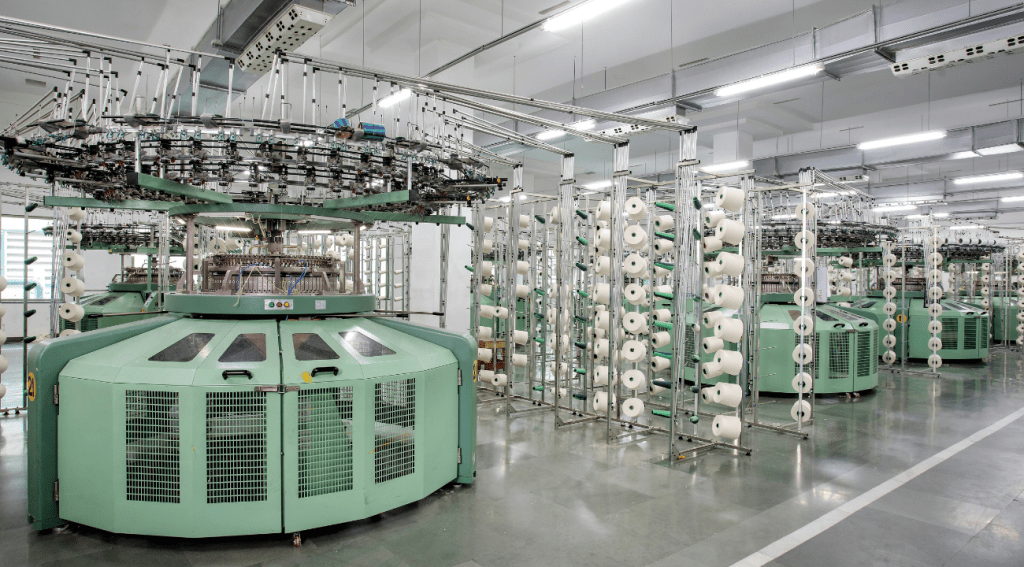
Process Manufacturing isn’t about making things: it’s about managing change.
Yield variations, batch adjustments, compliance requirements, fluctuating raw material costs… it’s controlled chaos by design.
For many organizations still running Microsoft Dynamics GP, that chaos is being quasi-managed using a mix of spreadsheets, workarounds, and crossed fingers. GP did its job for years, but it was never built for today’s process‑driven, data‑hungry manufacturing environment.
Microsoft Dynamics 365 Business Central, on the other hand, treats variability as a feature, not a problem, making it a far better fit for modern process manufacturers who need clarity, control, and confidence as they scale.

In Process Manufacturing, variability is unavoidable, densities change, ingredients shift, and yields aren’t always predictable.
What is avoidable is running blind. In GP, real‑time insight often arrives late (or not at all), which makes proactive decision‑making nearly impossible. Business Central changes that dynamic by unifying production, inventory, and financial data in a single, real‑time system.
Where Business Central shines for process manufacturers:
- Real-time production and inventory visibility
- Tighter alignment between operations and finance
- Faster, data‑backed decision‑making
Executives gain a clear view of what’s happening now, not what happened last month, enabling faster responses to supply chain disruption, cost fluctuations, and production inefficiencies without waiting on manual reports or reconciliations.

Process manufacturers need flexibility inside a framework, not free‑for‑all processes duct‑taped together.
GP’s reliance on customization and manual steps often leads to inconsistent execution across plants, teams, or shifts. Business Central enables organizations to standardize core processes while still allowing for batch‑level variability.
The result? Less tribal knowledge, fewer spreadsheets, and more repeatable, auditable operations.
For leadership, that translates into reduced operational risk, smoother audits, and a business that’s easier to scale without reinventing the wheel every time production ramps up.

Growth in process manufacturing doesn’t just add volume, it adds complexity.
More products, more suppliers, more regulations, more pressure. GP environments tend to sprawl under that weight, driving up IT costs and slowing the business down.
Business Central’s cloud‑first architecture flips the script.
Updates happen automatically, integrations are cleaner, and scaling doesn’t require new servers or major reinvestment.
For decision‑makers, this means growth becomes a strategic advantage, not an operational burden, and IT finally supports the business instead of chasing it.

Process manufacturing rewards organizations that can adapt quickly without losing control.
If your ERP can’t keep up with how your business runs, it’s no longer an asset… it’s a liability. Moving from Dynamics GP to Business Central isn’t just a technology upgrade; it’s a shift toward clearer visibility, stronger governance, and smarter growth.
When variability is the nature of your business, having the right system in place makes all the difference.



Leave a Reply