The apparel industry is a dynamic and fast-paced sector, requiring businesses to manage complex processes from design and manufacturing to sales and distribution. With rapid changes in fashion trends, evolving consumer preferences, and the demand for faster turnarounds, apparel brands face the constant challenge of maintaining operational efficiency while meeting market expectations. To remain competitive, apparel brands need a well-orchestrated value chain, supported by robust technology solutions that streamline operations, enhance visibility, and drive efficiency at every stage.
Plan IT, Make IT, Move IT & Sell IT Better.
In this blog post, we explore the nine critical components of the apparel value chain and how an integrated technology stack, including Microsoft Business Central ERP, K3 Pebblestone Fashion/Apparel ERP, Tasklet WMS, Shopify POS and online stores, and a third-party PLM (Product Lifecycle Management) solution, can empower apparel businesses to thrive and adapt to an ever-changing industry landscape.
1. Design and Development
Design and development lay the foundation for every successful apparel brand. This phase not only involves creativity and innovation but also meticulous planning and execution. From initial concepts to finalized prototypes, this phase demands creativity, precision, and collaboration. Leveraging a dedicated PLM solution, apparel companies can manage design files, streamline sample approvals, and ensure design-to-market alignment. When integrated with Microsoft Business Central and K3 Pebblestone, the PLM solution provides seamless data flow from design to production planning, enhancing efficiency and reducing time-to-market.
2. Sourcing and Manufacturing
Sourcing quality materials and managing production schedules are vital to maintaining brand quality and meeting demand. The sourcing phase involves identifying reliable suppliers, negotiating terms, and ensuring the availability of quality raw materials. K3 Pebblestone, built on Microsoft Dynamics 365 Business Central, offers specialized tools for apparel and fashion businesses to manage raw material procurement, vendor relationships, and production planning. This ERP solution enables better demand forecasting and resource allocation, reducing the risk of supply chain disruptions and maintaining consistent product quality.

3. Logistics and Distribution
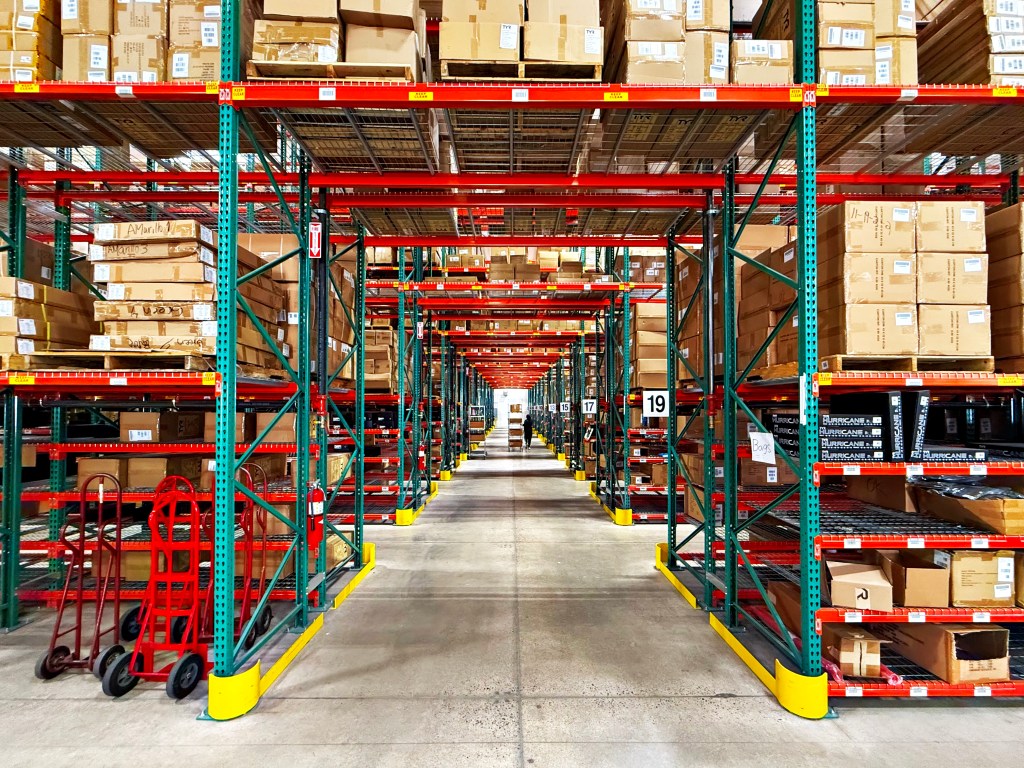
Efficient logistics and distribution processes are critical to ensuring products reach retailers and consumers on time. This stage involves not only transportation but also efficient warehousing and inventory management. Tasklet WMS (Warehouse Management System) integrates with Business Central and K3 Pebblestone to provide real-time inventory management, optimize warehouse operations, and enhance picking and packing processes. This integration ensures accurate stock levels, efficient order fulfillment, and timely deliveries, all of which contribute to higher customer satisfaction and repeat business.
4. Wholesale and Retail
Wholesale operations and retail management are pivotal in driving sales and expanding market reach. Effective wholesale strategies can open new revenue streams by establishing strong relationships with distributors and bulk buyers. K3 Pebblestone offers robust wholesale management features, including bulk ordering and pricing strategies. On the retail side, integrating Shopify POS with Shopify’s online store allows brands to provide a unified shopping experience across physical and digital channels. The seamless integration with ERP systems ensures inventory synchronization, accurate sales data, and financial accuracy, reducing the risk of overstocking or stockouts.

5. E-commerce and Digital Sales
In today’s digital-first world, e-commerce is a non-negotiable channel for apparel brands. A well-optimized online store not only boosts sales but also enhances brand visibility. Shopify’s powerful online platform facilitates easy-to-manage e-commerce operations. Its integration with Microsoft Business Central and K3 Pebblestone provides a holistic view of sales, inventory, and financial data. This connectivity helps brands manage promotions, track performance, and optimize digital marketing efforts, ultimately enhancing the customer shopping experience both online and offline.
6. Marketing and Branding
A strong brand presence requires consistent and targeted marketing strategies. Effective marketing spans across digital advertising, social media, influencer partnerships, and content marketing. While ERP systems support backend operations, third-party marketing tools integrated with Shopify can drive brand awareness and customer engagement. The consolidated data from all systems aids in crafting personalized marketing campaigns that resonate with target audiences, delivering measurable results and driving growth.

7. Sales and Customer Service
Seamless sales operations and stellar customer service set successful brands apart. A unified sales approach across multiple channels can significantly improve conversion rates and customer loyalty. The integration of Shopify POS and e-commerce with Business Central allows brands to manage customer orders, returns, and support inquiries efficiently. Tasklet WMS further supports this by ensuring accurate inventory levels and swift product dispatches, enhancing the customer experience with faster response times and streamlined service.
8. Post-Sale and Feedback Loop
Collecting post-sale feedback and managing returns are essential for building long-term customer loyalty. A structured feedback loop helps brands refine their products and services, aligning them closely with consumer expectations. Utilizing the analytics tools within Shopify and the reporting features of Business Central, brands can gain valuable insights into customer preferences and product performance. This data informs product development and strategic decision-making, closing the feedback loop effectively and ensuring that future collections are even more successful.
9. Business Management and Finance
A strong financial backbone is crucial for sustainable growth. Apparel businesses need robust systems to manage accounting, financial reporting, and strategic planning. Microsoft Business Central offers robust financial management tools, from budgeting and forecasting to managing cash flow. When integrated with K3 Pebblestone, Tasklet WMS, and Shopify, businesses gain a unified view of financial performance, inventory costs, and sales revenue. This comprehensive approach ensures that financial planning is aligned with operational activities, promoting business resilience and long-term profitability.
End-to-End Fashion & Apparel Value Chain Solutions from CKS
The apparel value chain involves numerous moving parts, each contributing to a brand’s overall success. By leveraging an integrated technology ecosystem that combines Microsoft Business Central ERP, K3 Pebblestone Fashion/Apparel ERP, Tasklet WMS, Shopify POS, and e-commerce solutions, along with a third-party PLM system, apparel businesses can streamline processes, enhance visibility, and drive growth. As the industry continues to evolve, brands that adopt holistic and agile technology strategies will be well-positioned to adapt, innovate, and succeed in a competitive market.



 CKS // Cloud Solutions
Leave a comment